

Manga, a form of comic or graphic storytelling originating from Japan, has captivated audiences worldwide with its distinctive art style, compelling narratives, and cultural nuances. When we talk about some manga, we’re delving into a vibrant universe of diverse genres, creative storytelling methods, and passionate fandoms. From traditional series to innovative digital formats, manga continues to evolve while maintaining its core appeal of engaging visuals and emotionally resonant plots.
Exploring the Diverse World of Manga – A Comprehensive Overview
Manga encompasses a broad spectrum of stories and artistic styles, making it a versatile medium that appeals to readers of all ages. Unlike Western comics, manga often features a reading direction from right to left, which is rooted in traditional Japanese publishing methods. This unique format influences the pacing and art composition, ultimately shaping the reader’s experience. Its diversity not only reflects culturally specific stories but also universal themes like love, courage, and self-discovery, making some manga an inclusive art form that resonates globally.
Furthermore, manga is not merely a genre but a cultural phenomenon that intersects with fashion, music, and societal values in Japan and beyond. There’s a layered complexity in storytelling—ranging from lighthearted romance to profound social commentary—that encourages readers to think critically and empathize deeply. This richness contributes to the durability of manga as an art form and ensures its relevance across generations and cultural boundaries.
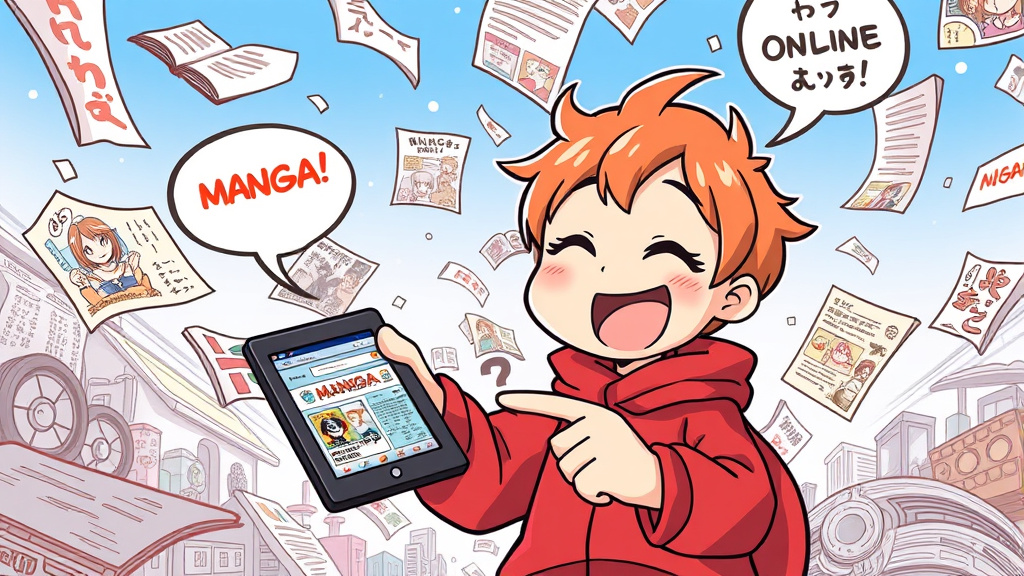 Hình minh họa: some manga – manga buying website
Beyond Anime – Unveiling the Unique Charm of Manga Art and Storytelling
While anime adaptations have significantly boosted manga’s popularity internationally, the original manga art offers a different experience—more nuanced, detailed, and intimately connected to the creator’s vision. Manga’s visual style often emphasizes expressiveness, with intricate character designs and dynamic panel layouts that enhance storytelling without the need for voice acting or motion. The intimacy of black-and-white illustrations can evoke stronger emotional responses, compelling readers to interpret subtle facial cues and background details.
Storytelling in some manga frequently relies on internal monologues and nuanced character development, providing a layered narrative depth absent in many animated counterparts. The pace may be slower, allowing for reflection and discovery, which creates a unique immersive experience. This artistic and narrative distinctiveness underscores why some manga are treasured not only as source material for anime but as standalone works of art and literature.
Top Manga Series You Should Be Reading Right Now
If you’re new to manga or looking to expand your collection, some series stand out as essential reads that showcase the medium’s diversity and depth. Titles like One Piece enchant with their adventurous spirit and intricate world-building; Berserk with its dark fantasy, philosophical undertones, and stunning visuals; or My Hero Academia, blending superhero themes with character-driven drama. Each of these series exemplifies craftsmanship in storytelling and art that has captivated millions.
Beyond mainstream hits, there’s a treasure trove of hidden gems across genres—from the comforting slice-of-life stories like Sweetness and Lightning to the thought-provoking sci-fi of Akira. Reading some manga is about discovering different voices, cultural perspectives, and innovative art styles that challenge and inspire. These series often resonate on personal levels, reflecting universal human experiences—so exploring them is both an entertaining and enlightening journey.
The Cultural Impact of Manga – From Japan to Global Phenomenon
Manga’s influence extends beyond entertainment—it’s a cultural bridge that introduces Japanese language, customs, and societal issues to a global audience. The rise of manga has promoted cross-cultural exchange, inspiring adaptations in fashion, music, and even politics, illustrating its pervasive reach. International fans engage actively through conventions, fan translations, and online communities, fostering a vibrant global ecosystem centered around some manga.
Moreover, manga has shaped perceptions of Japan worldwide, making it a significant soft power tool. The genre’s capacity to depict complex social themes—such as identity, honor, and community—makes it relevant beyond mere entertainment. Its cultural imprint is also evident in educational contexts, where manga is used to teach language or history, further cementing its role as a powerful medium that shapes cultural understanding and appreciation.
Genre Deep Dive – Navigating the Vast Landscape of Manga Categories
The vastness of manga genres can be intimidating but also exhilarating for any reader. From shonen (targeted at young boys) to shojo (aimed at young girls), seinen (for adult men), and josei (for adult women), each category has distinct characteristics and thematic nuances. For example, shonen manga often features action-packed plots with themes of friendship and perseverance, while josei manga explores nuanced adult relationships and career struggles.
Exploring the genres further reveals subcategories like isekai (parallel world stories), horror, romance, sports, mystery, and fantasy—each with unique storytelling conventions and artistic styles. A key insight into some manga is understanding these delimitations, which can help readers find stories that align with their interests while appreciating genre conventions. It’s also fascinating to see how genres evolve, blending elements to create hybrid narratives that appeal to diverse audiences and reflect societal changes.
Manga vs. Anime – Understanding the Differences and Similarities
Manga and anime are often discussed together but serve different purposes and offer distinct experiences. Manga provides a reading experience, allowing for more detailed artwork, faster story progression for some series, and a sense of intimacy with the creator’s original vision. Conversely, anime offers dynamic motion, voice acting, and soundtracks that can heighten emotional impact but may also impose constraints on storytelling adaptation.
Both mediums influence each other—manga often serves as the blueprint for anime adaptations, although not all manga get animated. Understanding their differences helps fans appreciate how storytelling techniques translate from static images to animation and vice versa. Despite their differences, some manga and their anime adaptations share a symbiotic relationship, complementing each other and enriching the overall manga culture ecosystem.
The Evolution of Manga – A Historical Perspective
Tracing the origins of manga reveals a history rooted in centuries-old Japanese visual storytelling, evolving from traditional emakimono and ukiyo-e prints. Modern manga, as we know it today, began to emerge during the post-World War II era, influenced by Western comics, and rapidly developed into a mainstream entertainment form. Pioneers like Osamu Tezuka revolutionized the industry, establishing narrative conventions still in use and elevating manga to an art form.
Throughout the decades, some manga have reflected societal changes—from the political activism of the 1960s to the globalization of the 21st century. As technology progressed, manga shifted from print to digital, allowing for broader distribution and innovative storytelling methods, such as webcomics and colorized digital manga. Understanding this evolution underscores the genre’s resilience and adaptability, highlighting how it continues to engage new generations across technological and cultural shifts.
Digital Manga – The Rise of Online Platforms and Consumption Habits
The advent of digital platforms has transformed how readers access and enjoy manga, making it more accessible than ever. Online scanning sites, official digital publishers, and subscription services have drastically reduced barriers, enabling global audiences to discover some manga instantly. These platforms also foster diverse and independent creators, allowing for experimental storytelling styles and niche genres that wouldn’t thrive in traditional publishing.
Digital manga has influenced consumption habits—many readers prefer reading on smartphones or tablets, appreciating features like adjustable screen size, searchability, and interactive content. This shift is reshaping the industry, prompting publishers to innovate in marketing and distribution strategies. The democratization of manga through digital means ensures its continued growth and diversification, sustaining its relevance in an increasingly connected world.
Decoding Manga Conventions – Understanding Common Tropes and Themes
Many some manga utilize recurring tropes and themes—heroes with hidden powers, love triangles, coming-of-age struggles—that serve as familiar narrative scaffolds for storytelling. Recognizing these conventions can deepen understanding and appreciation of manga’s storytelling craft, much like understanding literary tropes. However, innovative creators often subvert these expectations, offering fresh takes that challenge genre stereotypes.
Themes like perseverance, friendship, and sacrifice are omnipresent and serve as moral anchors within stories, fostering emotional resonance. By decoding these common conventions, readers can better appreciate the artistic choices behind some manga and realize how creators use familiar motifs to convey complex ideas or critique social issues, thus enriching the overall reading experience.
The Future of Manga – Predictions and Trends to Watch Out For
Looking ahead, the future of some manga seems promising as technological advances continue to shape the medium. Augmented reality (AR) and virtual reality (VR) could redefine interactive experiences, making manga more immersive. Artificial intelligence may assist creators in art and storytelling, enabling new forms of content personalization and international collaboration.
Emerging trends include increased diversity in storytelling, representation, and content aimed at global audiences—a reflection of manga’s widening appeal. Additionally, environmentally conscious publishing and sustainable production methods may emerge as important considerations. As manga adapts to a digital, interconnected world, its ability to innovate while staying true to its roots will determine its ongoing relevance and cultural influence across generations.
Conclusion
In summary, some manga form an expansive, dynamic universe that is both rooted in tradition and driven by innovation. From its artistic richness and cultural significance to its genre diversity and technological adaptations, manga continues to evolve while maintaining its core appeal of captivating storytelling and expressive visuals. Whether through exploring classic series or pioneering new formats, manga remains a vital part of global pop culture, promising exciting developments ahead that will keep fans engaged and inspired for years to come.